Physical Address
14 Da Souq St.
GN-947-2329, Tema.
Physical Address
14 Da Souq St.
GN-947-2329, Tema.

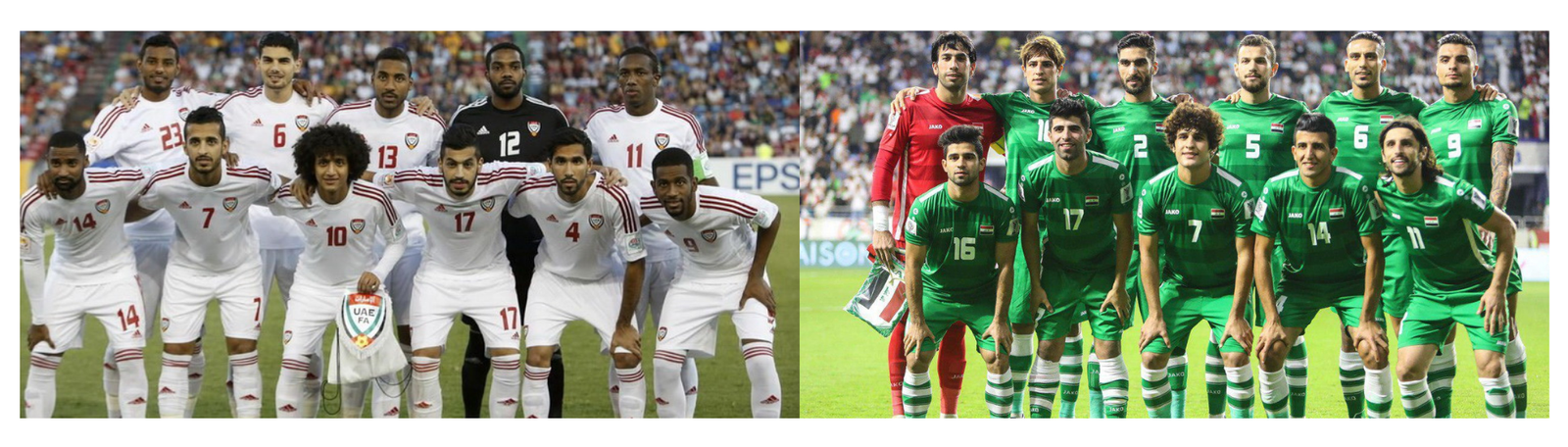
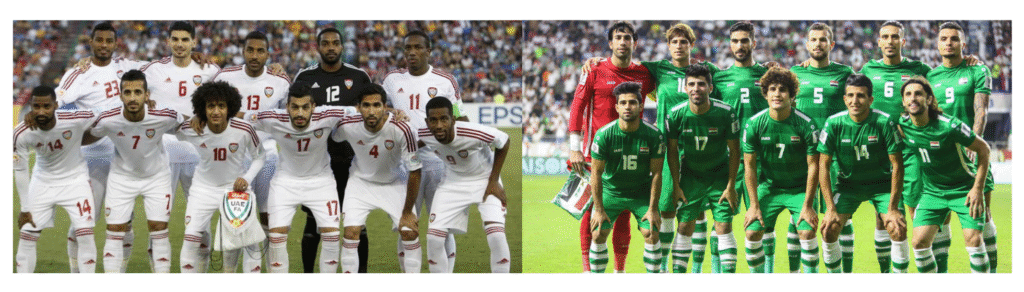
The United Arab Emirates and Iraq will begin their two-legged battle for Asia’s final World Cup qualification pathway tomorrow, November 13, as the AFC fifth round playoffs commence. The aggregate winner will advance to the FIFA intercontinental playoffs in March, offering one last chance to reach the 2026 tournament in North America.
Eight Asian nations have already secured direct qualification: Iran, Uzbekistan, South Korea, Jordan, Japan, Australia, Qatar, and Saudi Arabia. The UAE and Iraq finished as runners-up in their respective fourth-round groups, setting up this decisive playoff that will determine which nation represents Asia in the global qualification finale.
The journey to this playoff has been arduous for both nations. The UAE and Iraq navigated through multiple qualifying rounds, surviving the pressure of group-stage football before falling just short of automatic qualification in the fourth round held in October.
The fourth round featured a controversial centralized format, with Qatar hosting Group A and Saudi Arabia hosting Group B. This decision drew criticism from Indonesia, Iraq, Oman, and the UAE over concerns about competitive advantage for the host nations.
Qatar secured automatic qualification from Group A after defeating the UAE 2-1 in a dramatic encounter, with second-half headers from Boualem Khouki and Pedro Miguel sealing their place at the World Cup. The loss relegated the Emirates to the playoff route despite their strong qualifying campaign.
From Group B, Saudi Arabia claimed the automatic qualifying spot, leaving Iraq to face the playoff path. The Green Lions demonstrated quality throughout their fourth-round campaign but ultimately finished as runners-up, setting up this winner-takes-all showdown with the UAE.
The United Arab Emirates boast a squad featuring players from top domestic and international leagues. Their qualifying campaign demonstrated tactical organization and attacking threat in equal measure, with key victories establishing their credentials as genuine World Cup contenders.
The Emirates reached the fourth round after impressive performances in earlier qualifying stages. Their defensive solidity proved crucial, with organized backlines limiting opposition scoring opportunities while creating chances through quick transitions and technical quality in midfield.
Star players like Ali Mabkhout provide attacking leadership and goalscoring pedigree. The veteran striker’s experience at the highest level makes him invaluable in high-pressure situations. His ability to convert half-chances could prove decisive across the two playoff legs.
However, the UAE’s recent loss to Qatar exposed vulnerabilities in their defensive organization under pressure. Conceding late goals and struggling with set-piece defending represents areas of concern that Iraq will look to exploit. Mental resilience will be tested across 180 minutes of intense playoff football.
Iraq bring Asian Cup-winning experience and a squad packed with players from competitive European leagues. The Lions of Mesopotamia have demonstrated the character and quality needed to succeed in knockout football, making them dangerous opponents across two legs.
Manager Graham Arnold, the experienced Australian coach, has instilled tactical discipline and attacking creativity in equal measure. His understanding of Asian football’s nuances and ability to prepare teams for high-pressure matches positions Iraq favorably heading into this decisive playoff.
Iraq’s qualifying campaign featured impressive victories against quality opposition, demonstrating their ability to perform when stakes are highest. Their physical strength combined with technical quality creates a well-rounded team capable of controlling matches or absorbing pressure before launching dangerous counterattacks.
The Green Lions’ squad depth provides tactical flexibility and options for different match scenarios. Arnold can deploy multiple formations and game plans, keeping the UAE guessing and allowing Iraq to adapt to changing circumstances across the two legs.
Tomorrow’s first leg carries enormous psychological importance. Securing an away goal and avoiding defeat would provide the UAE with a crucial advantage heading into the second leg. Conversely, Iraq will target a lead to defend in the return match, potentially allowing them to play more conservatively.
The team that controls midfield possession and territorial dominance will likely secure first-leg advantage. Both nations recognize the importance of establishing tactical supremacy early, setting the tone for the entire playoff series.
Set-pieces could prove decisive given the defensive quality both teams possess. Corner kicks and free kicks in dangerous areas offer opportunities to break deadlocks when open play creates limited clear-cut chances. Preparation and execution of dead-ball situations may separate the winners from the eliminated.
The return leg on November 18 promises to be a pressure-cooker atmosphere, with everything on the line for both nations. The team trailing after the first leg must attack with urgency while maintaining defensive discipline, creating tactical dilemmas that could open up the match.
Home advantage in the second leg provides significant psychological benefits. The roar of home supporters and familiar surroundings can inspire performances that overcome first-leg deficits. Both teams will draw energy from their fans as they chase World Cup qualification.
The aggregate score format means away goals could prove crucial if the teams finish level after both legs. This rule adds tactical complexity, with teams balancing attacking ambition against defensive security, particularly when playing away from home.
The playoff winner joins an elite group competing for the final two World Cup spots. The March intercontinental playoffs in Mexico will feature six teams: two from CONCACAF, and one each from AFC, CONMEBOL (Bolivia), OFC (New Caledonia), and CAF.
This additional hurdle means tomorrow’s winner must maintain peak performance for four more months before facing global opposition. The intercontinental format provides no easy path, with teams from different confederations bringing unique tactical approaches and playing styles.
The Asian representative will face teams ranked by FIFA standings, with the four lowest-ranked teams playing single-elimination matches. Winners advance to face the two highest-ranked teams, with those victors securing the final World Cup berths.
Neither the UAE nor Iraq have qualified for a World Cup since 1990 and 1986 respectively, making this playoff particularly significant for football-obsessed nations. Qualification would represent historic achievement and national celebration, while failure extends decades-long absences from football’s grandest stage.
The expanded World Cup format, featuring 48 teams including eight automatic Asian qualifiers, makes missing out particularly painful. Both nations recognize this represents their best opportunity in generations to reach the tournament, adding psychological pressure to already intense encounters.
Domestic pressure on coaches and players is immense, with qualification potentially securing legacies while failure triggers criticism and potentially job losses. This external pressure affects performance and decision-making, particularly in crucial moments when composure separates success from elimination.
Ali Mabkhout leads the UAE’s attacking threat, with his goalscoring record and big-game experience making him their most dangerous weapon. The striker’s movement and finishing quality provide the cutting edge needed in tight playoff encounters.
Iraq’s squad features players from competitive European leagues who bring experience and quality. Their physical presence and technical abilities create a balanced team capable of controlling matches or thriving in chaotic, end-to-end contests.
Midfield battles will determine which team controls possession and creates scoring opportunities. The nation that wins this tactical struggle will likely advance to the intercontinental playoffs, making central midfielders crucial to both teams’ aspirations.
Takeaway: The UAE and Iraq’s two-legged playoff represents Asia’s final pathway to the 2026 World Cup, with tomorrow’s first leg setting the stage for a dramatic conclusion. Both nations bring quality squads, tactical discipline, and desperate desire to end decades-long World Cup absences. The winner advances to March’s intercontinental playoffs in Mexico, where they’ll compete against teams from four other confederations for the final World Cup berths. With national pride and football immortality at stake, these matches promise intensity, quality, and unforgettable drama as Asian football determines its final representative.