Physical Address
14 Da Souq St.
GN-947-2329, Tema.
Physical Address
14 Da Souq St.
GN-947-2329, Tema.

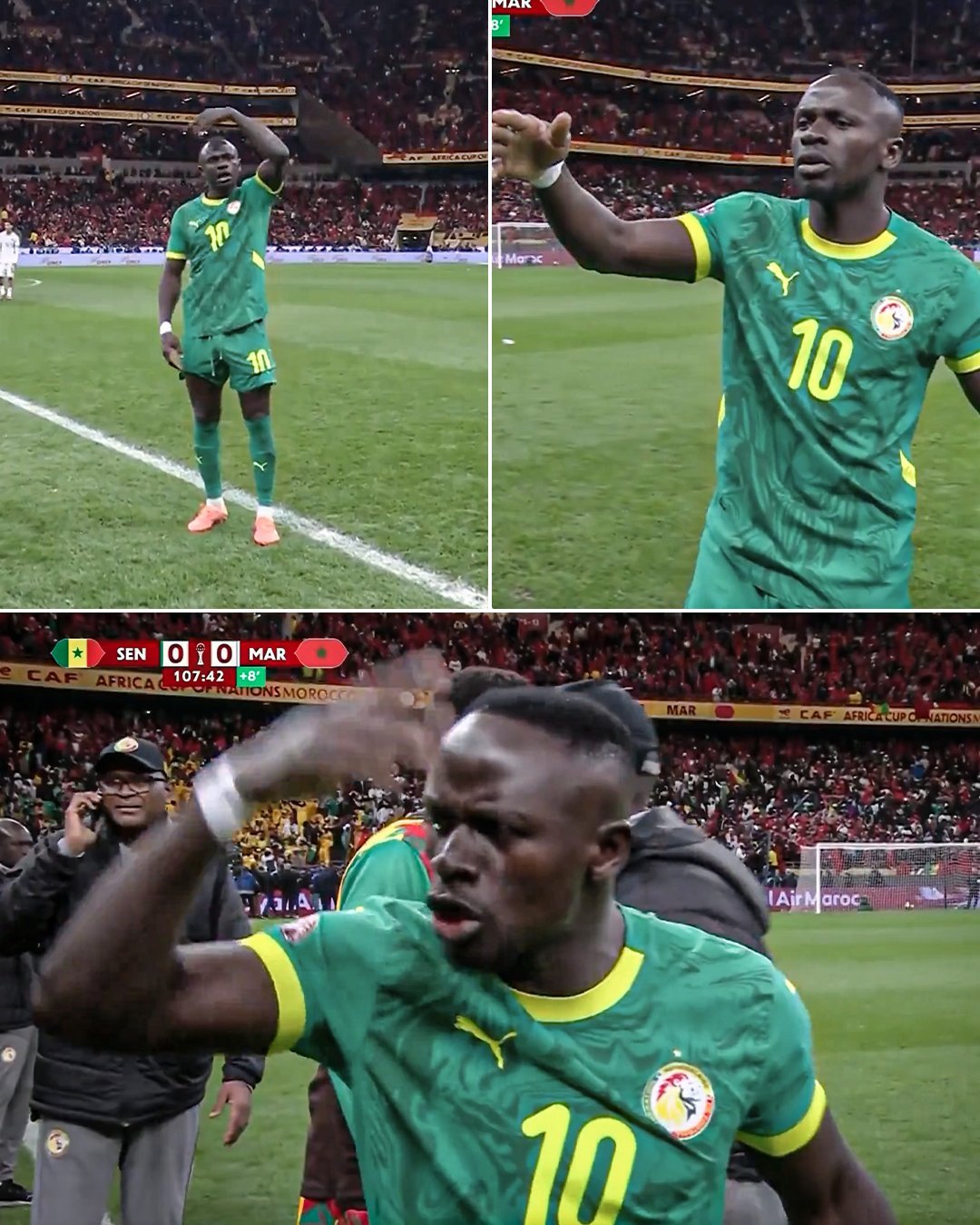
The 2025 Africa Cup of Nations in Morocco has reignited longstanding tensions between North African nations and their sub-Saharan counterparts, with accusations of poor sportsmanship, conspiracy theories, and unfair treatment dominating headlines. From Senegal’s complaints about security arrangements, accommodation problems, and ticket allocations to Egypt coach Hossam Hassan’s inflammatory post-match comments claiming rivals are “jealous” of Egypt’s seven AFCON titles, the tournament exposed a reputation crisis affecting North African football.
These incidents represent more than isolated controversies. They reflect deep-seated perceptions that North African teams approach continental competition with a sense of entitlement, refuse accountability in defeat, and leverage home advantage in ways that cross ethical boundaries. Understanding why these perceptions exist requires examining historical patterns, recent controversies, and the broader cultural divide that football often magnifies.
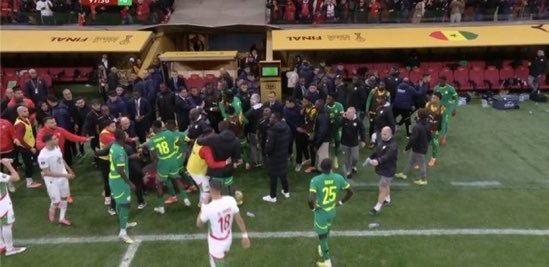
Morocco’s hosting of AFCON 2025 became a flashpoint for tensions when Senegal’s federation publicly criticized the lack of adequate security measures upon arrival in Rabat, problems with training facilities, and difficulties securing fair ticket allocation for supporters. With the stadium capacity at 69,500 fans, Senegal was allocated just 2,850 tickets for their supporters in the final.
The Senegalese Football Federation stated the build-up was “overshadowed by complaints about their treatment going into the final,” alleging issues violated principles of fair play and equal treatment. These complaints weren’t isolated incidents but part of a pattern where visiting teams, particularly from sub-Saharan Africa, feel disadvantaged when competing in North Africa.
The chaotic final itself vindicated many of Senegal’s concerns. Play was halted for 14 minutes when Senegal’s players walked off the pitch following a controversial late penalty decision, with crowd trouble and attempts by fans to storm the field creating dangerous conditions. Morocco coach Walid Regragui’s post-match comments only intensified criticism, as he condemned Senegal’s walkoff while defending his team’s actions.
Egypt’s participation in AFCON 2025 crystallized many of the complaints sub-Saharan African nations harbor about North African football culture. After losing to Senegal in the semifinals, coach Hossam Hassan declared: “Egypt is the mother of Arabs and Africa historically. No one possesses the history we possess… This creates jealousy. Until Judgment Day, no one will achieve what Egypt’s national team accomplished”.
These comments sparked widespread condemnation across the continent. Egyptian analysts and fans accused Hassan of arrogance, with veteran analyst Murad Ali describing his statements as part of a wider culture of deflecting blame and conspiracy theories. The refusal to accept defeat gracefully or acknowledge tactical shortcomings reinforces perceptions that North African teams view themselves as inherently superior.
Egypt’s seven AFCON titles include two won in tournaments with only three participating teams in 1957 and 1959, when African football was still developing. While these victories remain official and historically significant, presenting them without acknowledging the vastly different circumstances creates resentment. Modern AFCON tournaments feature 24 nations competing over a month, incomparable to early editions decided over a handful of matches.
The tensions between North and sub-Saharan Africa in football extend decades. During past AFCON tournaments in Morocco, racist chants from predominantly Arab crowds plagued black African teams, leading to questions about the legitimacy of pan-African unity, with one reporter noting Arab newspapers suggested Morocco “never again play black Africans”.
In 2015, Morocco refused to host AFCON despite being the scheduled host, citing Ebola outbreak concerns in West Africa. CAF rejected postponement requests and banned Morocco from AFCON 2017 and 2019, fining them €1 million and ordering €8.05 million in compensation. The incident demonstrated Morocco’s willingness to prioritize national interests over continental solidarity, even during a legitimate health crisis.
The Algeria-Morocco rivalry exemplifies how political disputes poison African football. Relations have been strained for decades due to the Western Sahara conflict, with Algeria supporting the Polisario Front against Morocco’s territorial claims. Morocco withdrew from the 2023 African Nations Championship hosted in Algeria after being denied direct flight access, refusing to travel by indirect routes.
The Algeria-Egypt relationship represents another source of North African football controversy. Tensions date to 1958 when Egypt refused exhibition matches with Algeria’s FLN team during their independence struggle, though things truly escalated during 2010 World Cup qualifiers when violence erupted and Algeria’s team bus was attacked by Egyptian fans.
These political undertones manifest in how North African teams interact with continental football governance. There’s widespread perception that North African nations leverage their historical dominance and political connections to influence CAF decisions, though concrete evidence remains disputed. The willingness to publicly question refereeing, organizing committees, and CAF itself contrasts with how many sub-Saharan nations approach continental competition.
A consistent complaint about North African teams centers on their refusal to accept responsibility for poor results. Hassan’s post-semifinal comments shifted blame to “outside forces” and suggested “certain parties felt anxious about Egypt’s victory,” fueling conspiracy theories instead of tactical accountability.
Prominent Egyptian broadcaster Moataz Al-Shami called for Hassan’s removal, warning such statements harm Egypt’s reputation, while journalist Ahmed Afifi dismissed the comments as “arrogant and hollow”. Even within Egypt, there’s recognition that this approach damages their standing in African football.
This pattern isn’t limited to Egypt. After Algeria’s quarterfinal elimination to Nigeria, the Algerian Football Federation filed complaints about refereeing performance, stating certain decisions “damaged the credibility of African refereeing”. While questioning officiating is legitimate, the frequency and tone of North African complaints feed perceptions they believe continental football owes them favorable treatment.
The North-South divide in African football reflects broader continental dynamics. Historically, North African teams dominated early AFCON tournaments, with an 11-year sequence where the Champions Cup passed only between clubs from Egypt, Morocco, Algeria, and Tunisia before sub-Saharan teams broke through.
North African nations often identify more closely with Arab and Mediterranean football culture than with sub-Saharan Africa. Their clubs compete in Arab tournaments, and their players frequently move to European leagues via North African pathways distinct from West and Central African routes. This cultural separation manifests in how they approach AFCON.
The question of African unity stretches beyond just Northern and sub-Saharan Africa, with great rivalries existing within Northern Africa itself between nations like Egypt and Algeria. When internal North African rivalries prove so intense, it’s perhaps unsurprising that relationships with sub-Saharan nations suffer from mutual suspicion and resentment.
Morocco’s massive infrastructure investment for the 2030 World Cup co-hosting role has created another point of tension. While this development benefits African football broadly, it also reinforces perceptions of North African advantage. Morocco has invested heavily in football infrastructure, representing one of the continent’s most aggressive sporting development drives.
This infrastructure allows Morocco to host tournaments on short notice and regularly accommodate matches for African teams without suitable facilities. However, it also creates dynamics where North African nations control venues, scheduling, and logistics for continental competition, potentially disadvantaging visiting teams.
Addressing these tensions requires acknowledgment from all parties. North African teams must recognize how their behavior reinforces negative perceptions. Refusing accountability, invoking conspiracy theories, and displaying entitlement damages relationships with continental partners.
Sub-Saharan nations must also avoid overgeneralizing about North African football. Not every controversy involves malicious intent, and legitimate grievances sometimes get dismissed as cultural misunderstandings. CAF must strengthen governance to ensure fair treatment regardless of host nation or political dynamics.
The story of any AFCON-winning side is not just about trophies but also reflects the circumstances in which titles were earned and how teams behaved when results turned against them. For North African football to restore its reputation, demonstrating grace in defeat, accepting accountability, and respecting opponents must become priorities.
African football’s strength depends on continental solidarity. When North-South tensions dominate narratives, everyone loses. The incredible talent across Africa deserves better than being overshadowed by off-field controversies and mutual suspicion.
AFCON should celebrate African football’s diversity and excellence. Instead, recent tournaments have exposed deep divisions that threaten the competition’s integrity. Whether through stricter CAF oversight, cultural exchanges, or simply better sportsmanship, African football must find ways to bridge these divides.
Takeaway: North African teams face growing criticism from sub-Saharan African counterparts due to patterns of poor sportsmanship, conspiracy theories, and perceived entitlement. From Egypt coach Hossam Hassan’s inflammatory comments about rivals being “jealous” of their seven AFCON titles to Senegal’s complaints about unfair treatment during Morocco’s hosting of the 2025 final, these tensions reflect deep-seated cultural and historical divisions. While North African nations boast impressive football histories and infrastructure, their refusal to accept accountability in defeat and tendency to invoke conspiracy theories damages relationships across the continent. Addressing these perceptions requires genuine cultural change, stronger CAF governance, and mutual respect between African football’s diverse regions. Only through acknowledging these issues and committing to continental solidarity can African football fulfill its tremendous potential.
Read also: https://x.com/totalcristiano/status/2013001460955455946?s=20