Physical Address
14 Da Souq St.
GN-947-2329, Tema.
Physical Address
14 Da Souq St.
GN-947-2329, Tema.

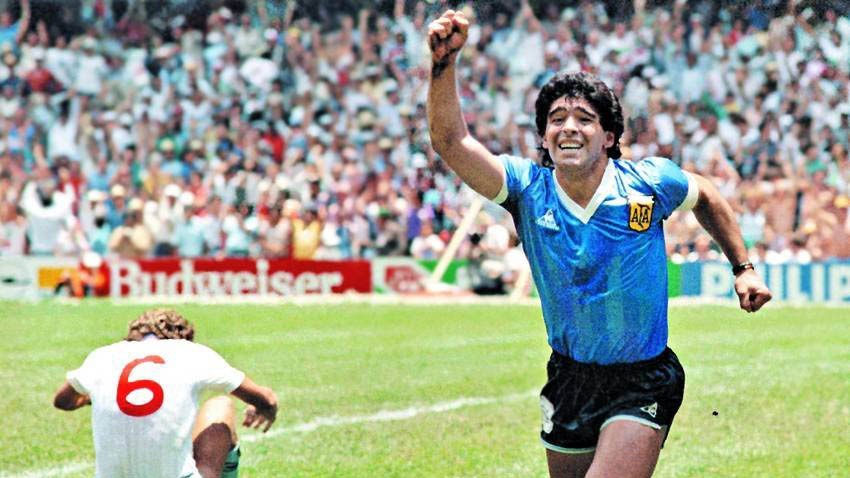
The FIFA World Cup has produced nearly a century of unforgettable moments, but some goals transcend the game itself—becoming cultural touchstones that define generations. From teenage brilliance to veteran magic, from controversy to perfection, these 10 strikes represent the pinnacle of footballing artistry on the world’s biggest stage.
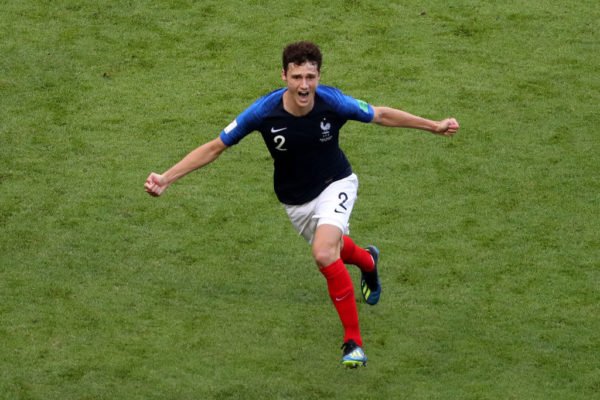
France’s Benjamin Pavard unleashed an absolute thunderbolt in the round of 16 against Argentina at Russia 2018. With Les Bleus trailing 2-1, the Stuttgart defender received the ball on the edge of the area and unleashed a first-time, outside-of-the-boot strike that curled perfectly past Franco Armani.
“The ball bounced up as it came to me. I didn’t even think about it,” Pavard said afterward. “I just tried to get over it and keep it down.” His stunning equalizer sparked France’s comeback in an eventual 4-3 thriller, propelling them toward their second World Cup title.
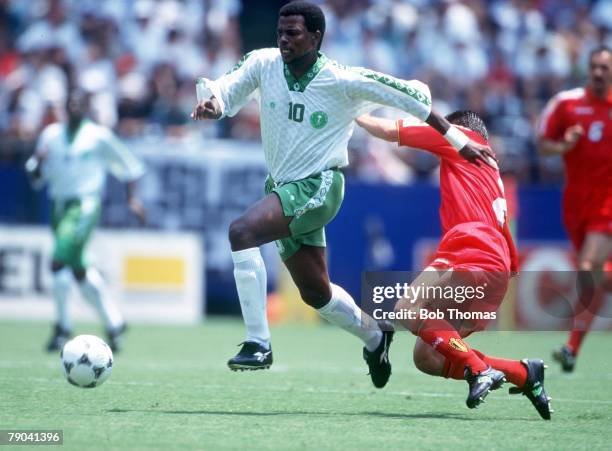
Saudi Arabia’s “Arabian Maradona” produced one of the greatest solo goals in World Cup history at USA 1994. Al-Owairan picked up the ball in his own half and embarked on a mazy dribble past five Belgian defenders, using pace and precision to carve through the European side before slotting home.
The goal remains a source of immense national pride for Saudi football and announced their arrival on the global stage. It demonstrated that magic could come from anywhere, not just traditional football powerhouses.
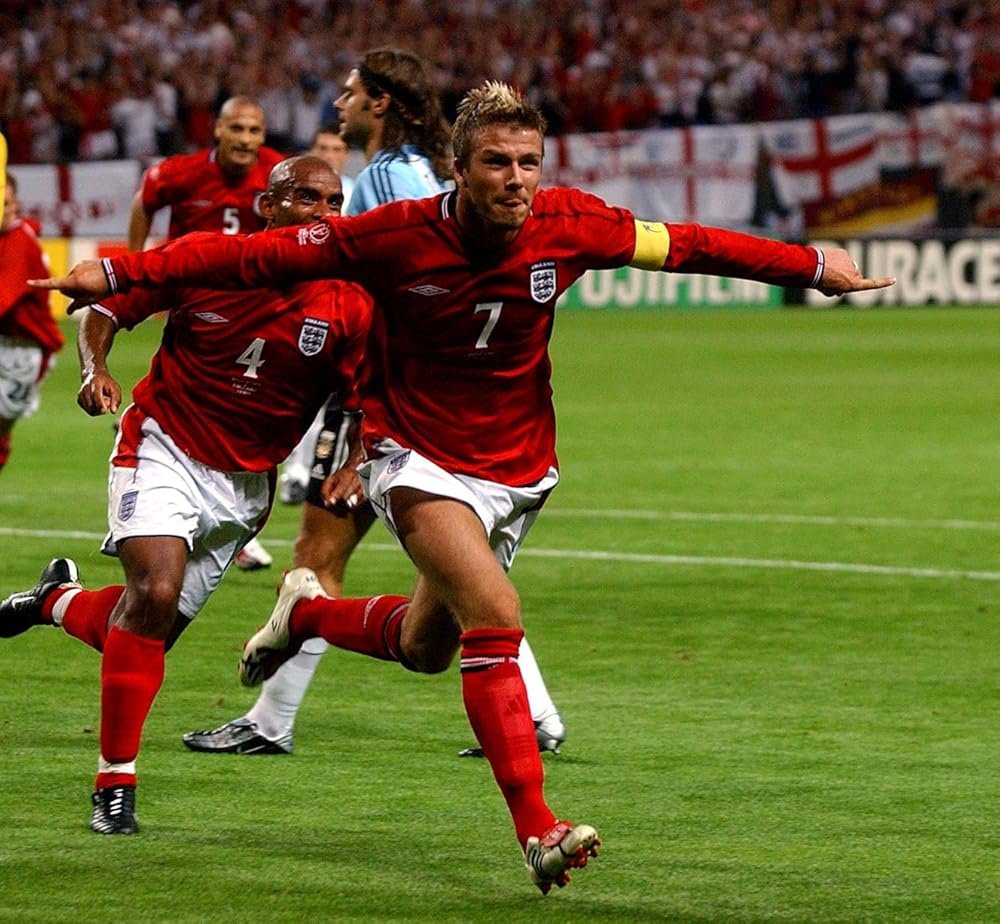
Four years after his infamous red card against Argentina cost England dearly, David Beckham delivered redemption. His first-half penalty against the same opponents in the 2002 group stage carried the weight of a nation’s expectations and his personal journey from villain to hero.
The goal helped England win 1-0 and advance from the group stage. Beckham’s celebration—pointing and screaming—reflected years of criticism finally silenced by one perfectly struck spot-kick.
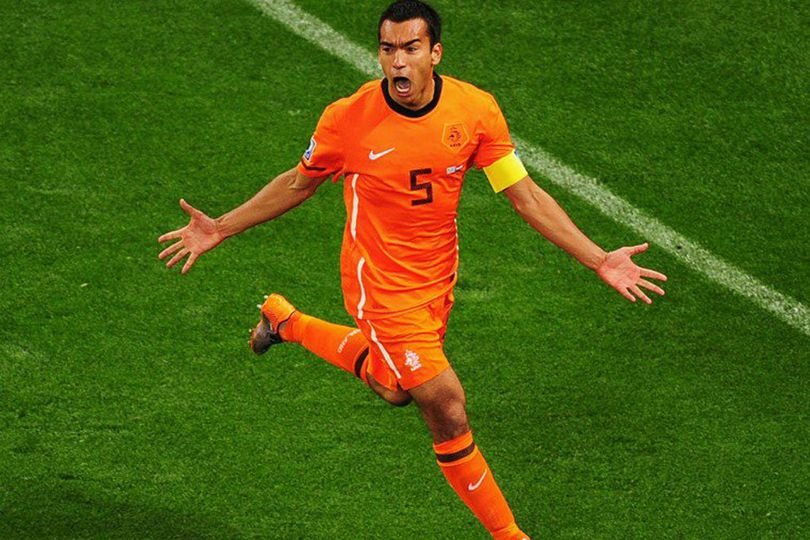
The Dutch captain’s opening goal in the 2010 semifinal came from nowhere. Van Bronckhorst, winning his 105th cap, picked up the ball 35 yards from goal near the left touchline and unleashed a blistering left-footed strike that rocketed past Fernando Muslera into the top corner.
The technique, power, and audacity to attempt such a shot in a World Cup semifinal made it instantly iconic. The goal set the tone for Netherlands’ 3-2 victory and passage to the final.
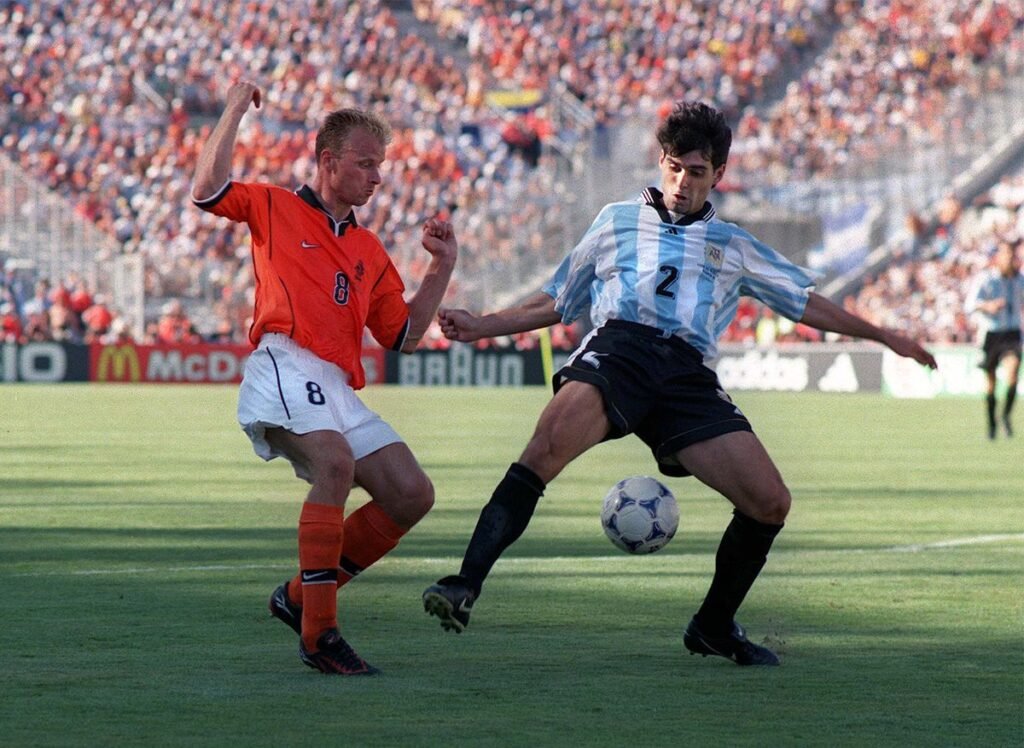
Bergkamp’s last-gasp winner against Argentina in the 1998 quarterfinals showcased football at its most artistic. Frank de Boer’s 50-yard diagonal pass seemed impossible to control, but the Dutch master killed it with one sublime touch, took another to evade Roberto Ayala, then finished with ice-cold precision in the 90th minute.
The goal’s technical perfection and timing—scored in the final seconds to win 2-1—make it one of the greatest individual moments in World Cup history.
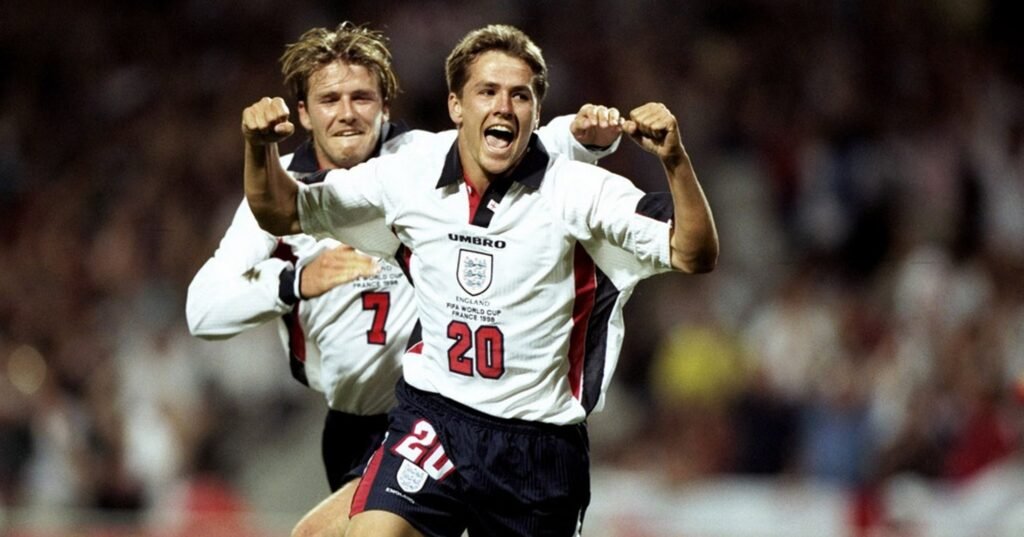
The 18-year-old Liverpool striker announced himself to the world with a Maradona-esque solo goal against Argentina in the round of 16. Owen collected the ball just inside the Argentine half, accelerated past two defenders with explosive pace, and rifled a finish past Carlos Roa.
Though England eventually lost on penalties, Owen’s goal became defining imagery of that tournament and launched one of English football’s greatest careers.
At just 17 years and 249 days old, Pelé scored one of the World Cup final’s greatest goals. Receiving the ball in the penalty area, the Brazilian teenager chipped it over a defender’s head, controlled it on his chest against another challenge, then volleyed it past goalkeeper Kalle Svensson to make it 3-1.
The goal’s audacity and technical brilliance from someone so young announced the arrival of football’s greatest talent. Pelé would win three World Cups, but his 1958 final goal remains his most iconic.
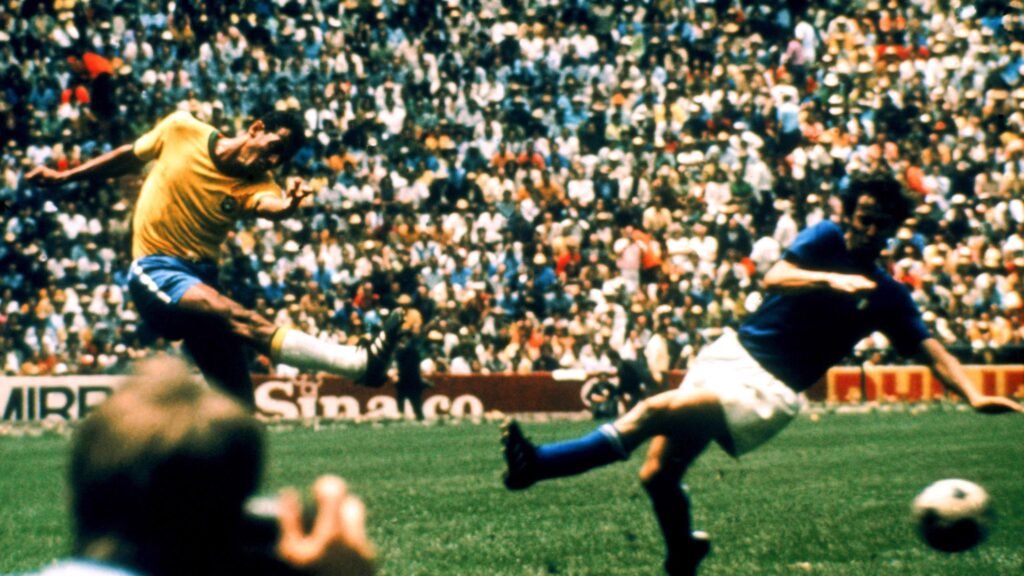
Brazil’s fourth goal in the 1970 final represents team football perfection. The move involved eight players before Pelé’s perfectly weighted pass found captain Carlos Alberto marauding down the right wing. The right-back struck a thunderous low drive past Enrico Albertosi to seal Brazil’s 4-1 victory.
“Pelé and me played so often together that he knew where I was—I didn’t need to shout,” Alberto recalled. “He saw me coming and rolled his pass in front of me so I didn’t have to break stride. And I caught it perfectly.” The goal epitomized Brazil’s jogo bonito philosophy.
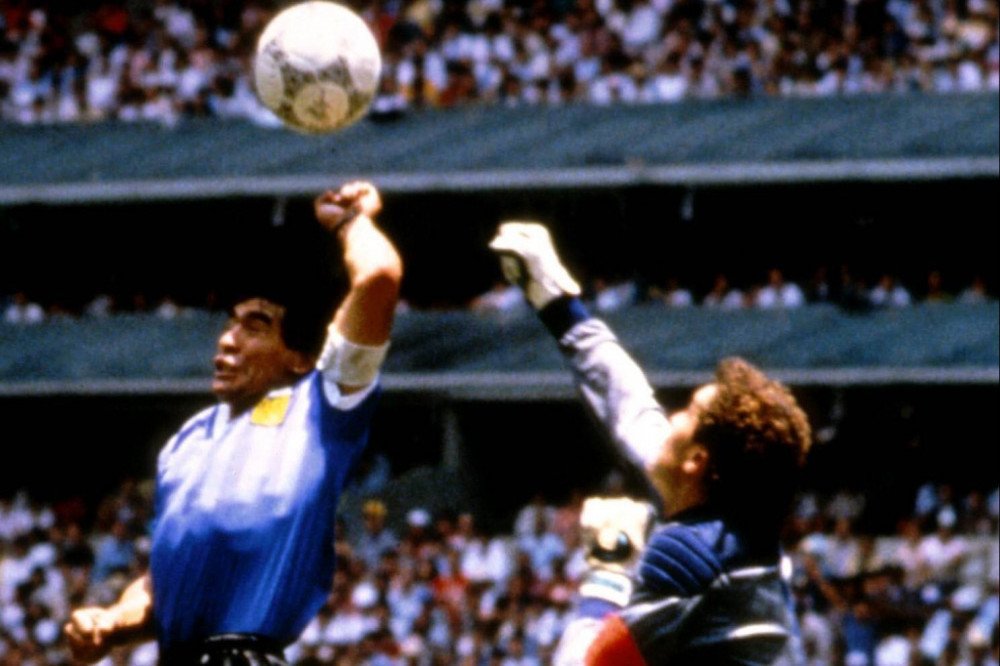
Diego Maradona’s most infamous goal deserves its place on this list for pure historical significance. Six minutes into the second half of Argentina’s quarterfinal against England, Maradona punched the ball past goalkeeper Peter Shilton while jumping for an aerial challenge.
Tunisian referee Ali Bin Nasser allowed the goal despite English protests. Maradona’s post-match explanation—”A little with the head of Maradona and a little with the hand of God”—entered football folklore. The controversy surrounding this moment ensures it remains endlessly debated nearly 40 years later.
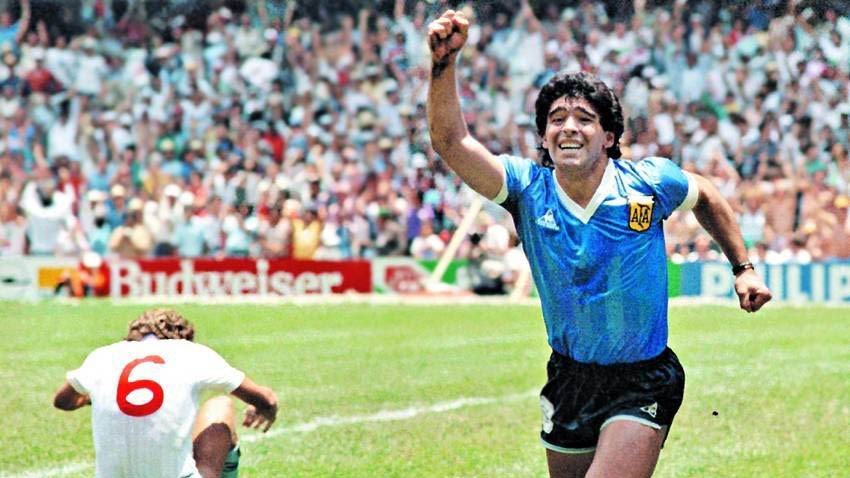
Just four minutes after the Hand of God, Diego Maradona produced football’s greatest individual goal. Picking up the ball in his own half near the center circle, the Argentine magician embarked on an 11-second, 60-yard dribble that left six England players—including goalkeeper Peter Shilton—in his wake before sliding the ball home.
“To do what he did, that little pivot on the halfway line and then to go past the players like they weren’t there was just the most remarkable thing,” England striker Gary Lineker admitted decades later. The goal showcased Maradona’s speed, balance, close control, and finishing in football’s most pressurized environment.
Argentina won 2-1 and went on to claim the World Cup, with Maradona winning the Golden Ball. This goal alone cements his status among football’s immortals—a moment of such sublime genius that it may never be equaled.
Esteban Cambiasso vs Serbia (2006): Argentina’s 26-pass team goal that culminated in Cambiasso’s finish showcased collective brilliance.
Robin van Persie vs Spain (2014): The flying Dutchman’s diving header from distance shocked the world champions.
James Rodríguez vs Uruguay (2014): His chest control and thunderous volley won Goal of the Tournament.
Manuel Neuer’s sweeper-keeper actions: Not technically a goal, but his revolutionary goalkeeping redefined the position at Brazil 2014.
Several factors elevate goals to legendary status:
Historical Context: Goals scored in finals, semifinals, or against rivals carry extra weight. Maradona’s goals came against England with Falklands War tensions still fresh.
Technical Excellence: Pelé’s volley, Bergkamp’s touch, and Van Bronckhorst’s strike showcased skills that few possess.
Dramatic Timing: Last-minute winners like Bergkamp’s and crucial redemption goals like Beckham’s create unforgettable narratives.
Cultural Impact: Some goals transcend sport, becoming symbols of national identity and pride.
Individual Brilliance: Solo runs that leave multiple defenders helpless, like Maradona and Owen’s strikes, capture football’s essence.
As the 2026 World Cup approaches across the United States, Canada, and Mexico, fans worldwide anticipate the next generation of iconic goals. Will Kylian Mbappé produce a moment to rival Pelé? Can Erling Haaland deliver Norway’s first World Cup goal masterpiece? Might a surprise hero emerge from an underdog nation?
The expanded 48-team format provides more opportunities for magic. More matches mean more chances for unknown players to become legends with one perfect strike.
Takeaway: The World Cup’s greatest goals blend technical perfection, dramatic timing, and historical significance to create moments that transcend generations. From Pelé’s teenage genius to Maradona’s “Goal of the Century,” these strikes represent football at its absolute pinnacle. As we approach the 2026 tournament, these legendary goals set the standard for future heroes dreaming of immortality on football’s biggest stage. The beautiful game’s greatest moments happen when skill meets pressure at the World Cup—and these 10 goals prove that magic truly exists in football.
Comments are closed.





[…] Read also: https://offsidetalk.com/the-10-most-iconic-world-cup-goals/ […]
[…] Read also: https://offsidetalk.com/the-10-most-iconic-world-cup-goals/ […]