Physical Address
14 Da Souq St.
GN-947-2329, Tema.
Physical Address
14 Da Souq St.
GN-947-2329, Tema.

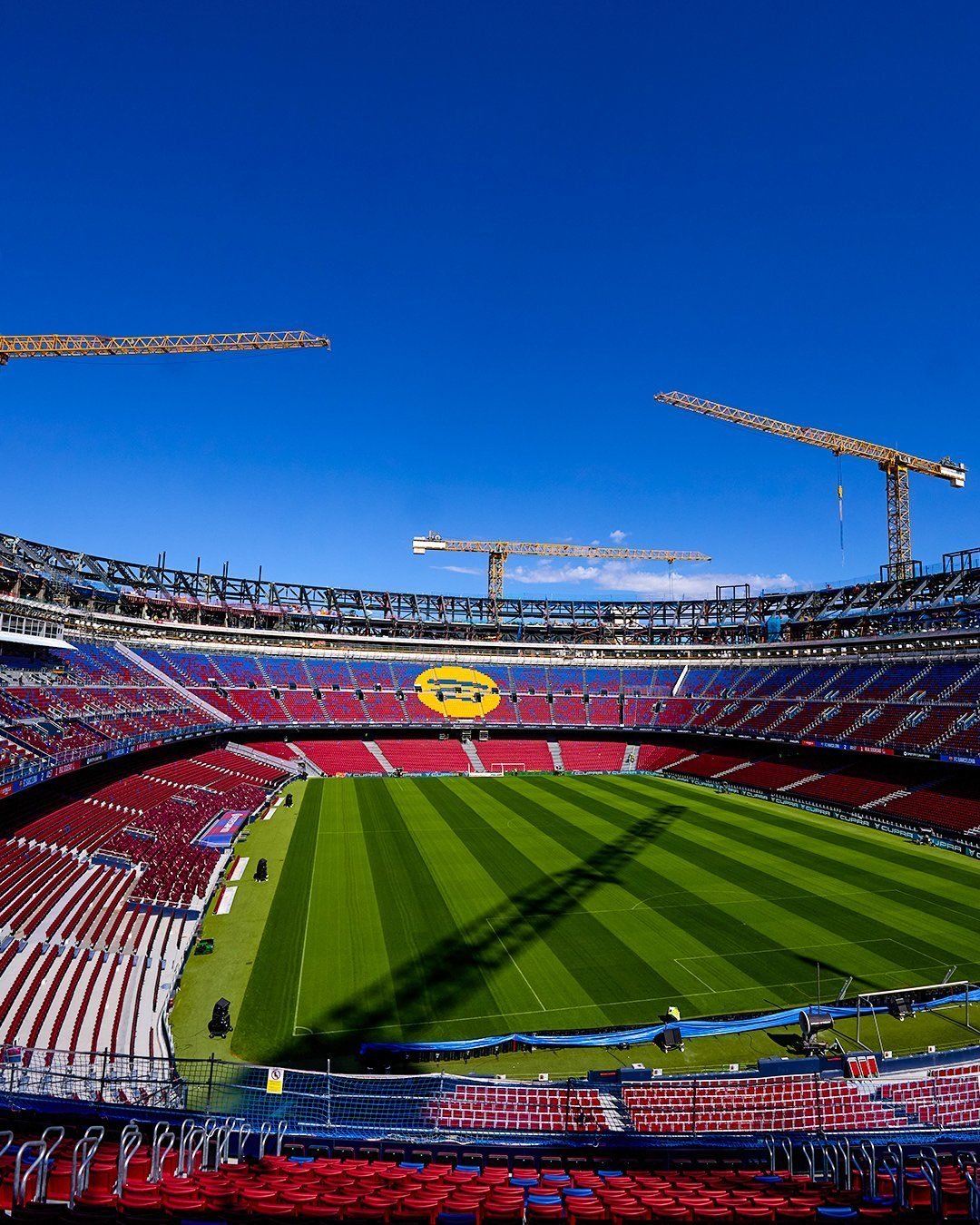
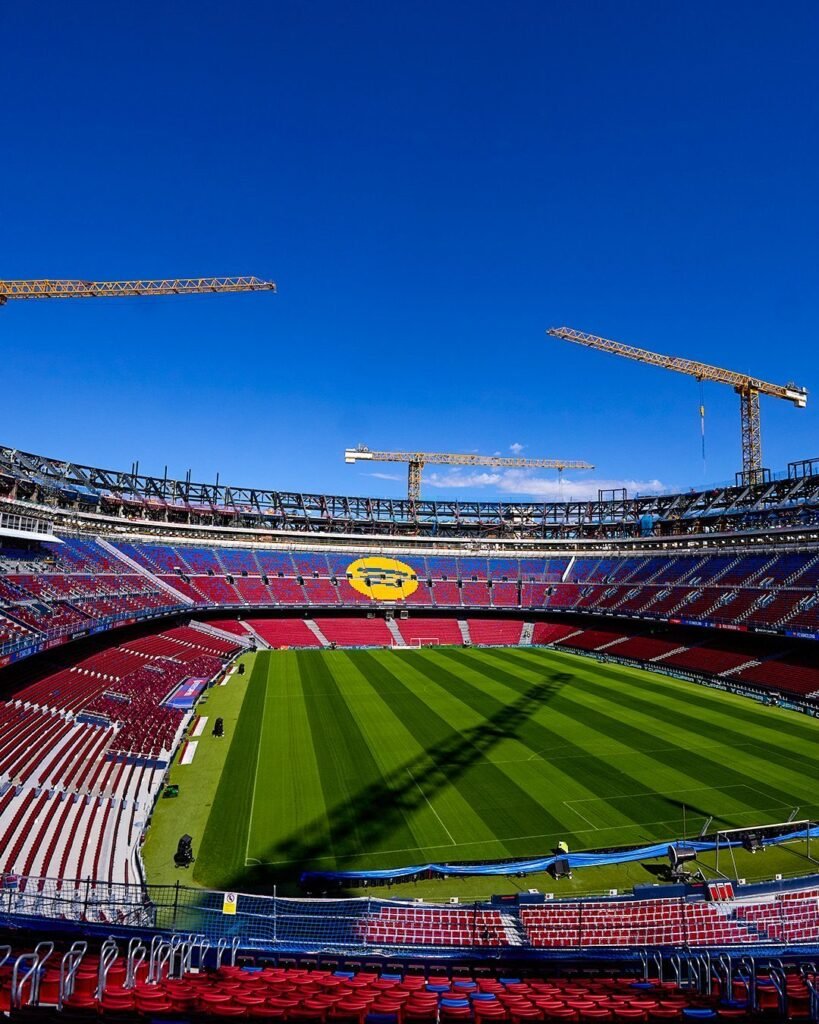
“We’ve dreamed about the return. Now, it’s here. We’re back home.” Barcelona’s official announcement sent shockwaves of emotion through the football world on Monday as the club confirmed their long-awaited return to the Spotify Camp Nou this Saturday, November 22, 2025, against Athletic Club at 4:15 PM local time.
After 912 days in exile—two and a half years away from their iconic fortress—the Blaugrana will finally come home. The date that will go down in club history is set: November 22, 2025. This isn’t just another match. This is Barcelona’s rebirth.
Barcelona haven’t played at Camp Nou since May 28, 2023, when they beat Mallorca 3-0 in an emotional farewell match. Since then, 912 agonizing days have passed with fans scattered across the Olympic Stadium, the tiny Johan Cruyff Stadium, and their living rooms wondering if the dream would ever become reality.
Multiple false dawns crushed hopes throughout 2025. The Joan Gamper Trophy in August was supposed to be the grand return—cancelled. The Valencia home fixture—postponed. Each delay felt like another dagger to the heart of Barcelona supporters who just wanted to go home.
But now it’s official. The club obtained the crucial Phase 1B occupancy license, allowing 45,401 spectators to witness history. This authorization includes the entire Lateral stand and adds to the already-approved Phase 1A covering the Tribune and South Goal sections.
Saturday’s match isn’t just about reopening a stadium—it’s about unveiling a completely transformed Camp Nou experience. Fans will enter through brand new facilities that represent the future of football stadiums worldwide.
The improvements are staggering: a state-of-the-art players’ tunnel that rivals anything in world football, completely redesigned changing rooms befitting elite athletes, cutting-edge sprinkler and automatic fire suppression systems for maximum safety, and revolutionary digital ticketing and access systems that eliminate traditional bottlenecks.
Evacuation routes have been completely reimagined, handrail systems upgraded throughout, and internal circulation flows optimized based on crowd-movement analytics. This isn’t your grandfather’s Camp Nou—this is a 21st-century cathedral of football.
The stadium that fans walk into on Saturday represents just the beginning of an ambitious transformation that will eventually see Camp Nou expand to 105,000 seats—making it Europe’s largest club stadium and a genuine rival to the world’s most iconic sporting venues.
Barcelona’s exile has been nothing short of traumatic. They spent two full seasons at the 55,926-capacity Olympic Stadium on Montjuïc—a fine venue but never home. The Olympic Stadium offered approximately 40,000 fewer seats than Camp Nou, costing the club massive revenue and severing the deep connection between team and supporters.
Then came the ultimate humiliation: playing at the 6,000-capacity Estadi Johan Cruyff for the first weeks of this season after missing yet another occupancy deadline. Watching Barcelona—one of football’s biggest clubs—playing in a training ground stadium felt surreal and heartbreaking.
President Joan Laporta faced mounting pressure with each delay. Critics questioned the project’s management, the timeline, and whether Camp Nou would ever reopen. But Monday’s announcement vindicated the president’s patience and persistence.
Barcelona sit top of La Liga with an incredible start to the season under Hansi Flick. The German manager has transformed the team’s playing style, implementing high-intensity pressing and vertical attacking football that has opposition teams terrified.
But he’s done all this without experiencing the Camp Nou magic—the roar of 99,000 fans (or in this case, 45,401) pushing the team forward, the intimidating atmosphere that has broken so many opponents over decades, the energy that makes Camp Nou one of football’s most feared venues.
Saturday against Athletic Club marks Flick’s first competitive match at Barcelona’s spiritual home. It’s the debut he’s been waiting for, the moment when his revolution truly begins in the building where Barcelona legends were forged.
Athletic Club arriving as the opposition feels poetically appropriate. This is a historic rivalry built on respect—two clubs with deep identity and tradition facing off in one of La Liga’s most compelling fixtures.
Ernesto Valverde returns to Camp Nou as Athletic’s manager, the same man who led Barcelona to titles before his controversial departure. The storylines write themselves. Valverde knows every corner of this stadium, but he’s never experienced this version of Camp Nou.
Athletic sit comfortably in La Liga’s upper reaches, making this a genuine competitive test rather than a ceremonial walkover. Barcelona need three points to maintain their title charge, adding competitive edge to the emotional reunion.
Barcelona are also working frantically with UEFA to host Eintracht Frankfurt at Camp Nou in the Champions League on December 9. Meeting the necessary requirements for European competition involves additional safety and operational standards, but the club remains optimistic.
Imagine Hansi Flick’s team unleashing their attacking football on European nights at a renovated Camp Nou. The atmosphere would be absolutely electric—a throwback to legendary Champions League nights that defined Barcelona’s golden era.
Barcelona expects to break through the €1 billion revenue barrier for the 2025-26 season largely because of their gradual Camp Nou return. The financial implications are massive—matchday revenue skyrockets, commercial opportunities multiply, and the club’s global brand strengthens.
Current construction costs sit at approximately €900 million, with full completion scheduled for June 2026. But the investment will transform Barcelona’s financial position for generations, creating revenue streams that rival any club globally.
The expanded capacity moving toward 62,518 by year’s end (Phase 1C) and eventually 105,000 means Barcelona will generate matchday revenue that dwarfs competitors. This isn’t just about football—it’s about securing the club’s financial future.
Ticket presales for members opened Monday at 4:00 PM, with general public sales launching Tuesday. Demand will be absolutely insane—this is the hottest ticket in football right now. VIP packages opened simultaneously for those willing to pay premium prices for the historic occasion.
The 2025-26 Season Pass grants access to all matches at Camp Nou for the remainder of the season, covering La Liga, Copa del Rey, and Champions League. Members must confirm attendance through the club app or website up to six days before each match—a new system designed to maximize attendance and eliminate no-shows.
Security will be unprecedented, with authorities treating this as a major event requiring extensive planning and coordination. But the focus remains on celebration—this is Barcelona’s night to shine.
Phase 1C is next, targeting the North Goal section and pushing capacity toward 60,000. Full completion arrives June 2026, with the iconic roof installation scheduled for summer 2027—one year behind the original timeline but worth the wait.
By December 2027, Camp Nou will stand as arguably the world’s most impressive football stadium—a architectural masterpiece combining tradition with cutting-edge technology, respecting history while embracing the future.
Takeaway: Barcelona’s return to Camp Nou on Saturday, November 22 against Athletic Club ends 912 days of exile and marks the beginning of a new era for football’s most storied club. The renovated stadium with 45,401 capacity represents just the first phase of a transformation that will create Europe’s largest club stadium. For Hansi Flick’s league-leading team, this homecoming provides the perfect stage to showcase their revolution. After countless delays and broken promises, the dream is finally real—Barcelona are coming home.