The 2026 World Cup is set to be the biggest and most expansive in history, and it will be played across 16 world-class stadiums in three nations. From historic cathedrals of the game to state-of-the-art NFL arenas, these venues will form the backdrop for a summer of footballing drama.
This is your complete guide to every stadium, from its capacity and city to the unique feature that makes it unmissable.
World Cup Trophy
The Host Cities & Their Arenas: A Tri-Nation Spectacle
The 2026 tournament will be split across 16 host cities: 11 in the United States, 3 in Mexico, and 2 in Canada. The final will be held at MetLife Stadium in New Jersey/New York.
United States Stadiums
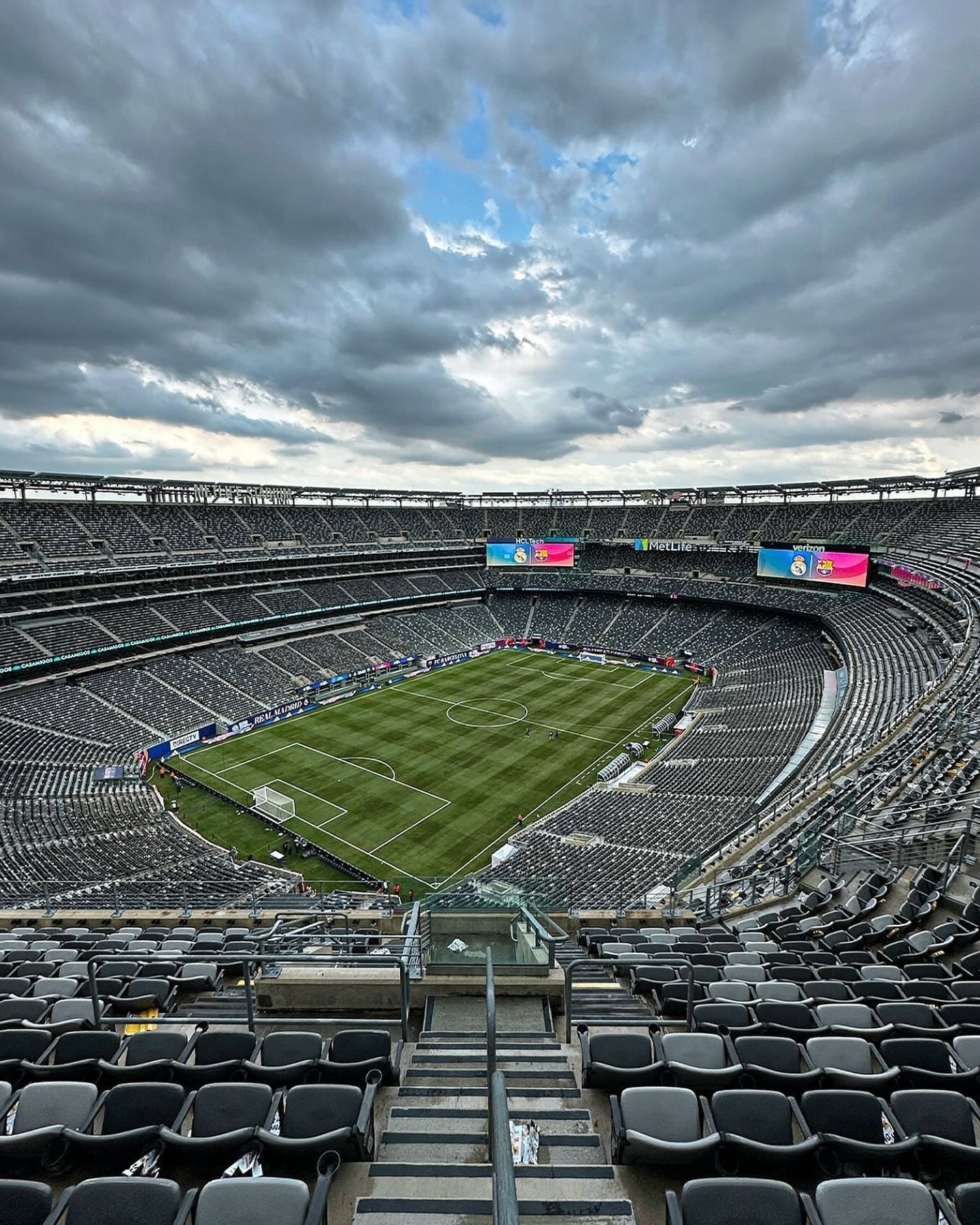
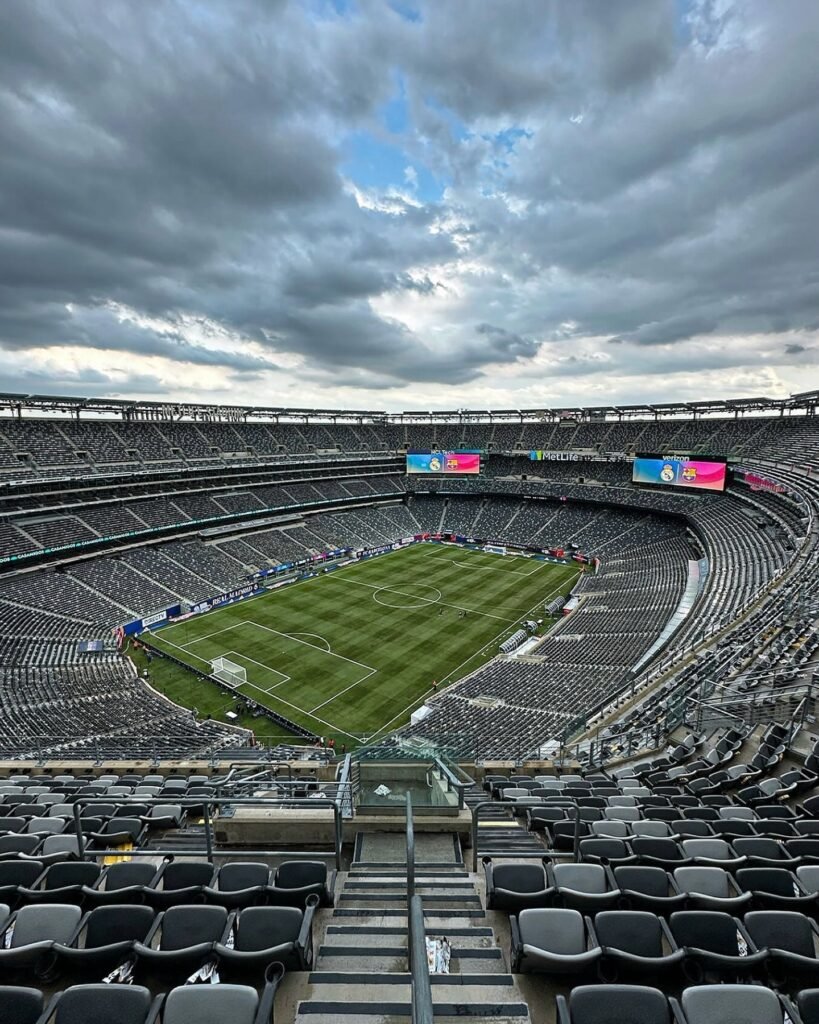
1. MetLife Stadium (East Rutherford, New Jersey)
Capacity: 82,500
What Makes It Special: This is the hallowed ground for the 2026 World Cup Final. Home to the NFL’s New York Giants and Jets, it has hosted major events like Super Bowl XLVIII. Its location in the New York metropolitan area guarantees a global, electrifying atmosphere.
2. AT&T Stadium (Arlington, Texas)
Capacity: 80,000 (expandable to 105,000+)
What Makes It Special: Known as “Jerry World,” this colossal domed stadium features a massive, revolutionary video board. It’s a front-runner to host a semi-final and will bring World Cup action to the heart of football-mad Texas.
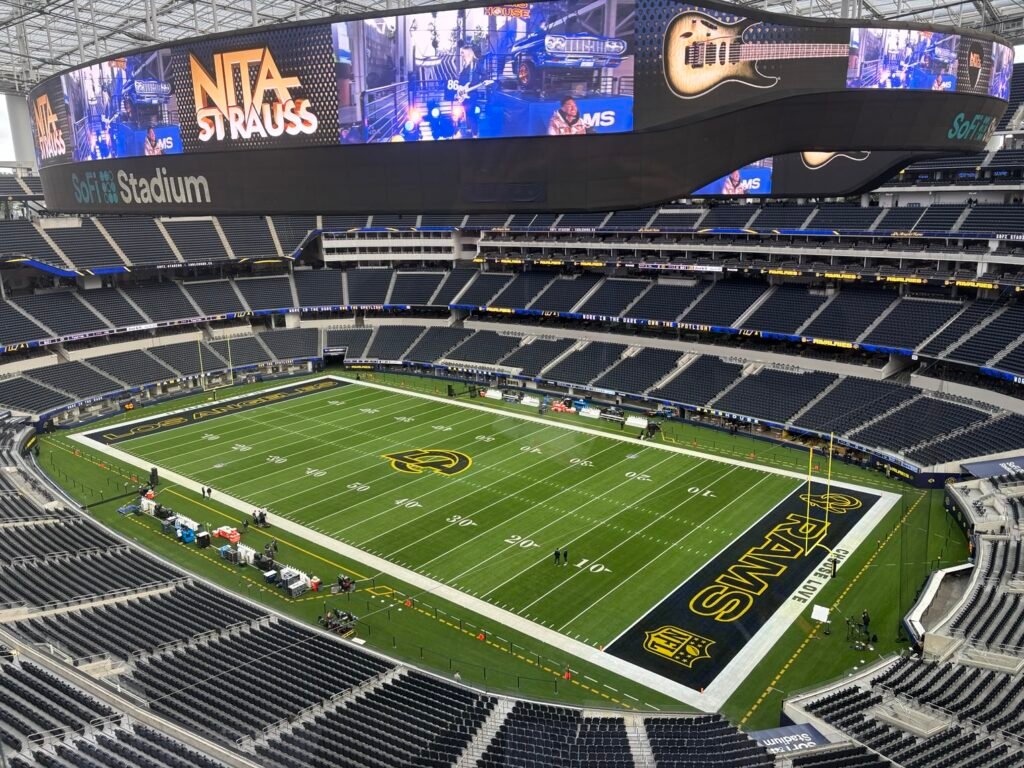
3. SoFi Stadium (Inglewood, California)
Capacity: 70,240 (expandable to 100,000+)
What Makes It Special: The stunning, multi-billion dollar home of the NFL’s Rams and Chargers is one of the most modern venues in the world. Its unique canopy design and proximity to Hollywood make it a glamorous stage for major matches.
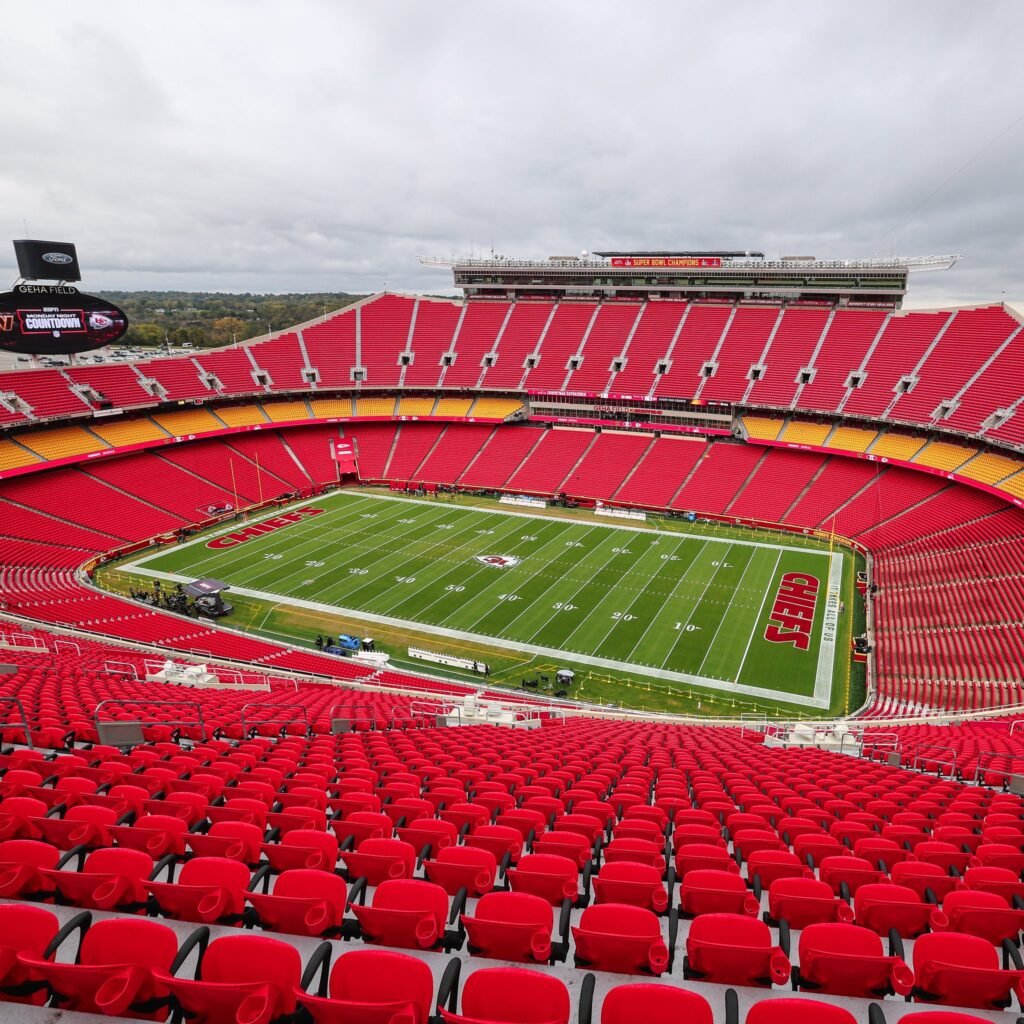
4. Arrowhead Stadium (Kansas City, Missouri)
Capacity: 76,416
What Makes It Special: Renowned for having one of the loudest and most passionate atmospheres in American sports. The home of the NFL’s Chiefs will provide an intimidating, cauldron-like environment for any visiting team.
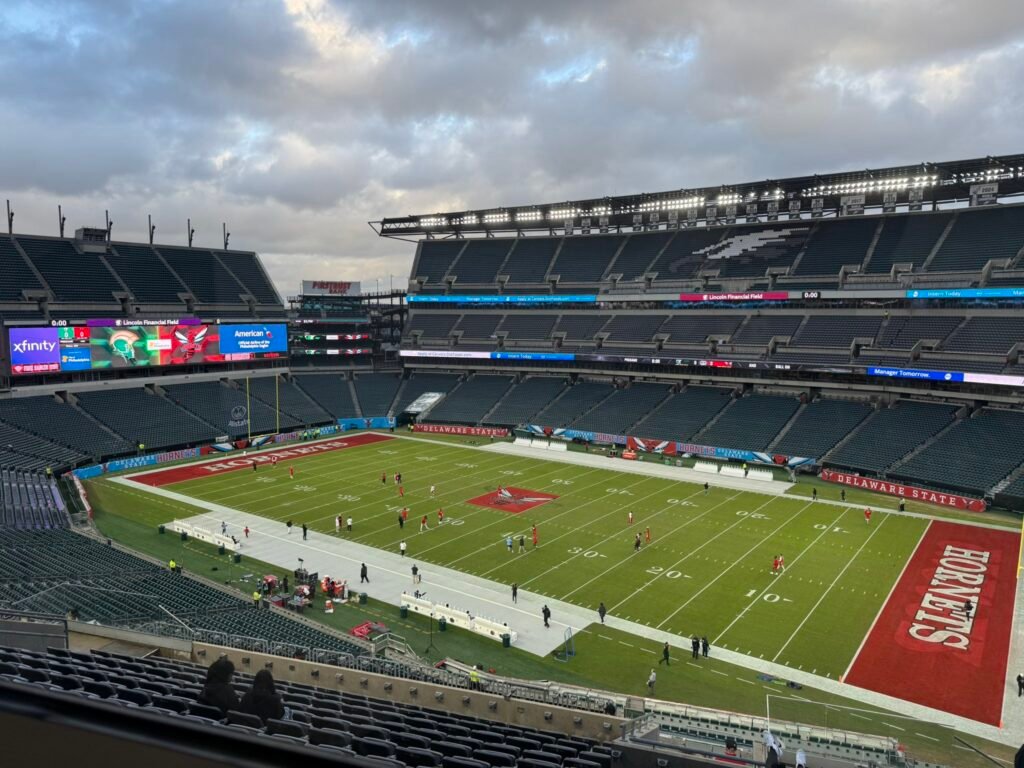
5. Lincoln Financial Field (Philadelphia, Pennsylvania)
Capacity: 69,796
What Makes It Special: “The Linc” is known for its fiercely passionate Philadelphia fanbase. Expect a raucous and unforgettable environment, true to the city’s gritty sporting identity.
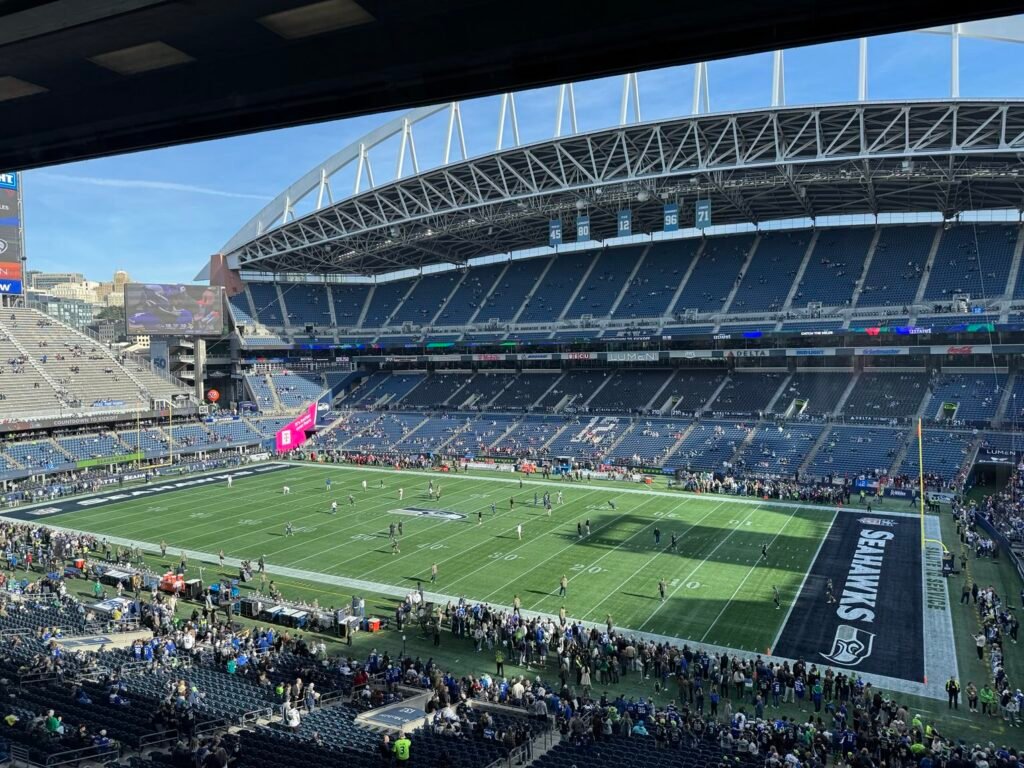
6. Lumen Field (Seattle, Washington)
Capacity: 69,000
What Makes It Special: A legendary venue for soccer in the USA, home to MLS’s Seattle Sounders. The “Brougham End” is famed for its incredible supporter culture, making it a perfect fit for the World Cup.
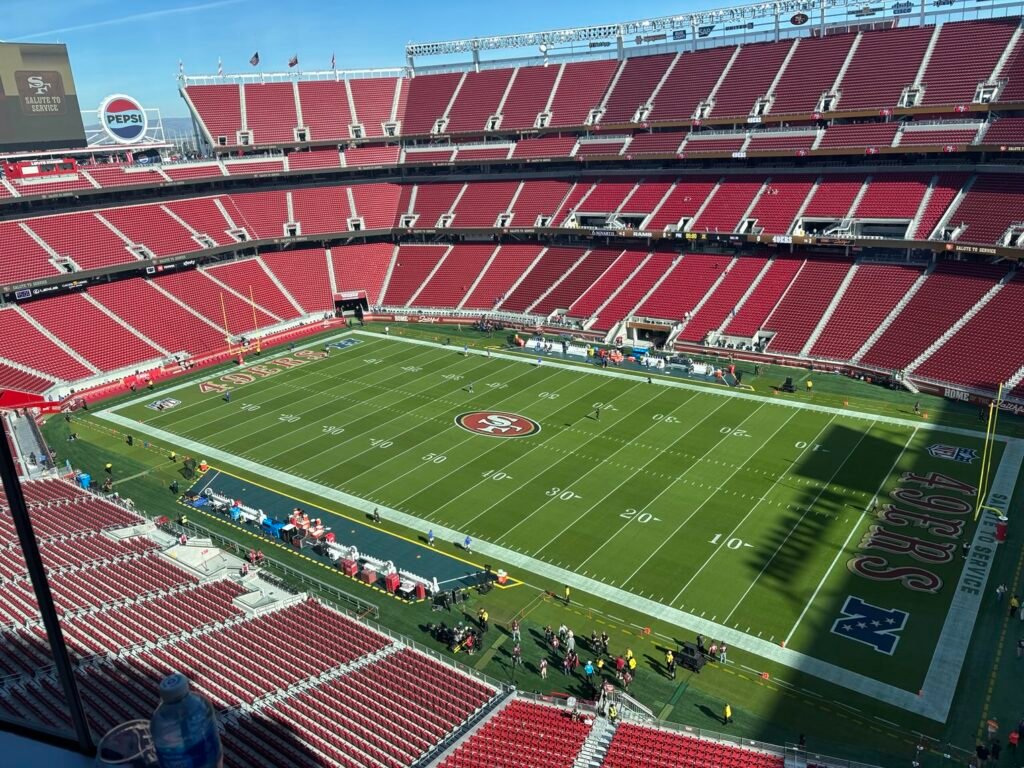
7. Levi’s Stadium (Santa Clara, California)
Capacity: 68,500
What Makes It Special: Located in the tech heartland of Silicon Valley, this modern stadium has previously hosted high-profile international soccer matches and will offer a pristine, high-tech experience.
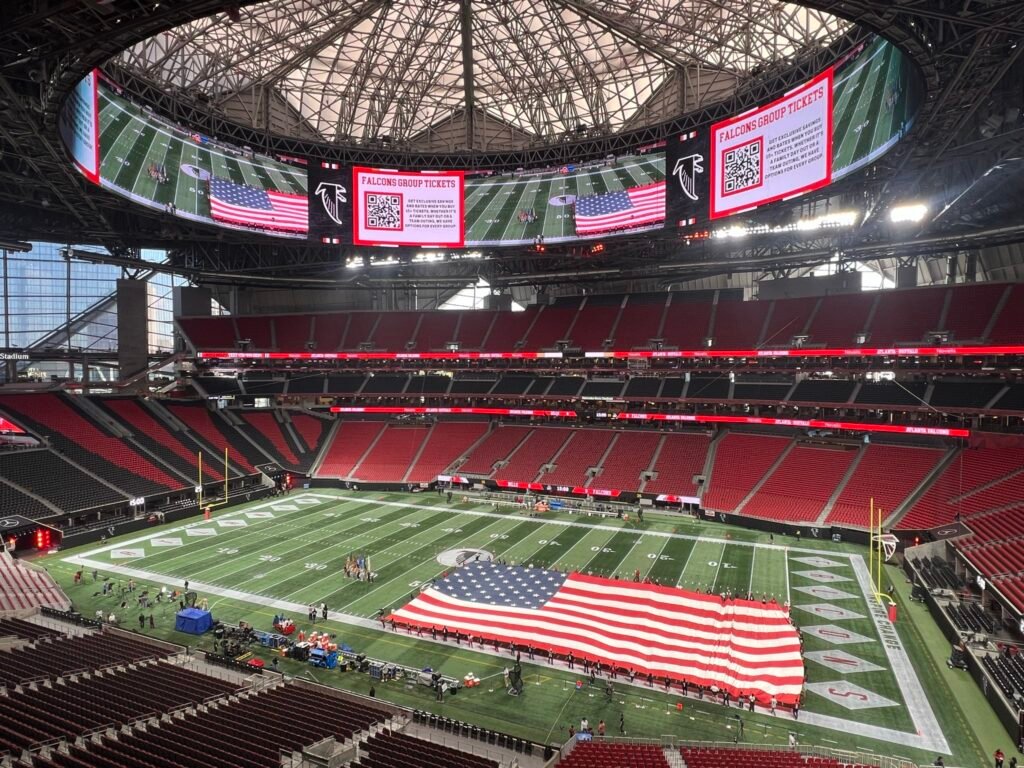
8. Mercedes-Benz Stadium (Atlanta, Georgia)
Capacity: 71,000 (expandable to 75,000 for soccer)
What Makes It Special: Famous for its breathtaking “pinwheel” retractable roof and massive halo video board. As the home of MLS’s Atlanta United, who regularly break attendance records, it’s a proven soccer hotbed.
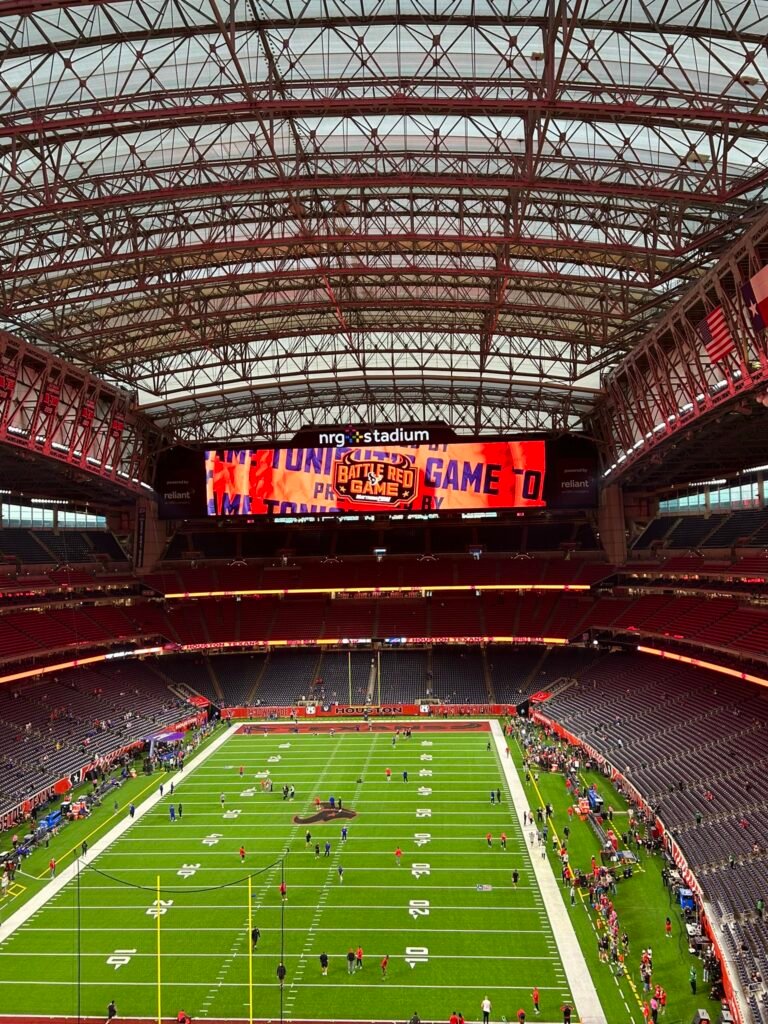
9. NRG Stadium (Houston, Texas)
Capacity: 72,220
What Makes It Special: A pioneering retractable-roof stadium that has hosted multiple NFL Super Bowls and international soccer matches. It brings the World Cup to one of America’s most diverse and dynamic cities.
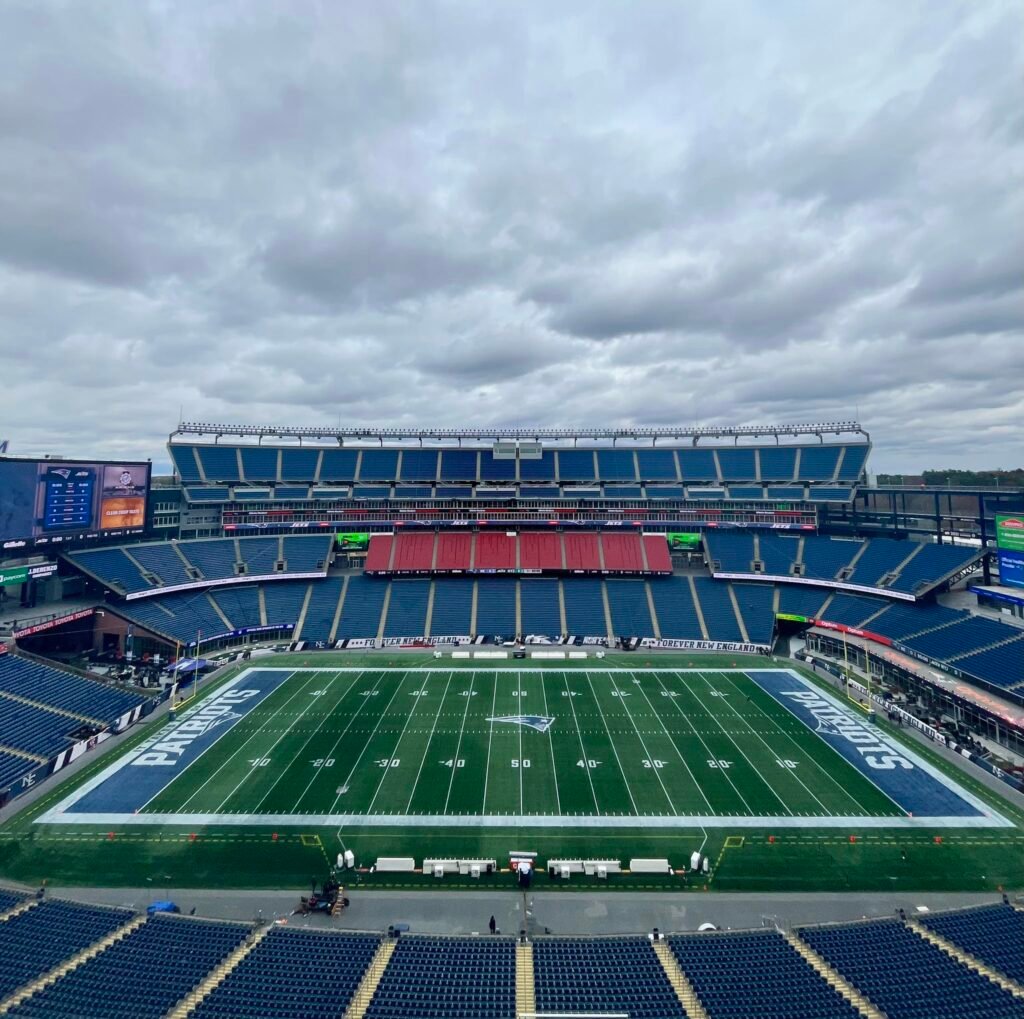
10. Gillette Stadium (Foxborough, Massachusetts)
Capacity: 65,878
What Makes It Special: The home of the NFL’s New England Patriots and MLS’s New England Revolution has a rich history of hosting major events, including international soccer and Copa América.
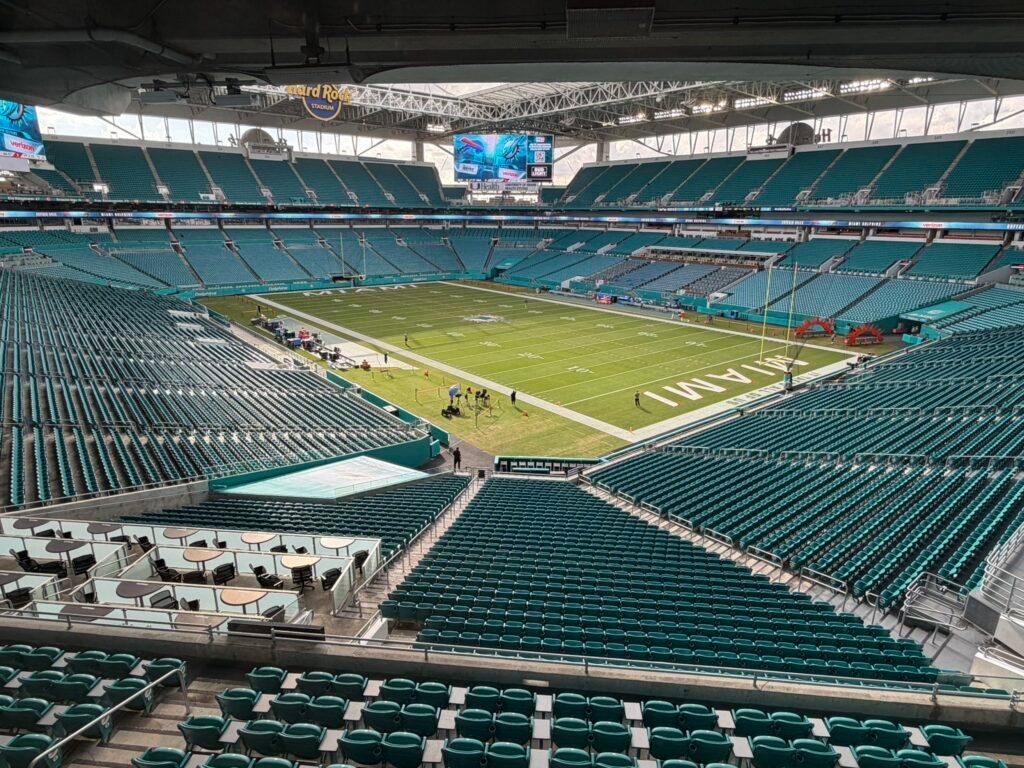
11. Hard Rock Stadium (Miami Gardens, Florida)
Capacity: 64,767
What Makes It Special: A vibrant, renovated stadium that captures the essence of Miami. It’s no stranger to global spectacles, having hosted multiple Super Bowls, and will bring a Latin American flair to the tournament.
Canadian Stadiums
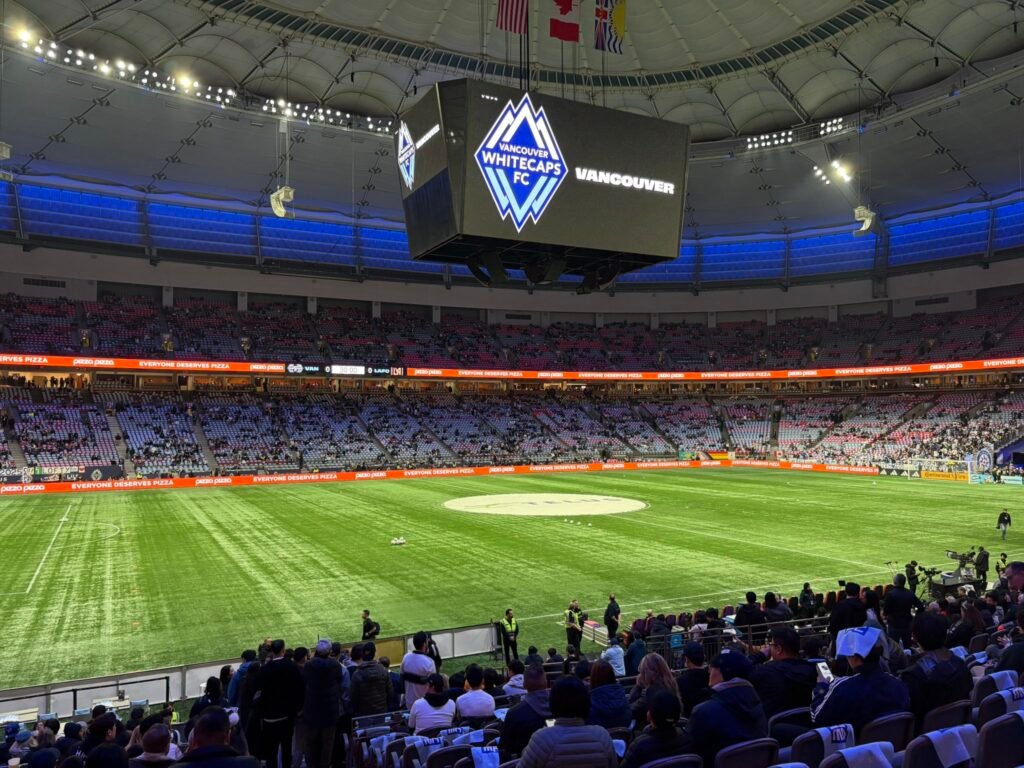
12. BC Place (Vancouver, Canada)
Capacity: 54,500
What Makes It Special: The largest stadium in Canada features a striking retractable roof and a stunning downtown location. It’s the home of the MLS’s Vancouver Whitecaps and a veteran of major tournaments like the 2015 Women’s World Cup.
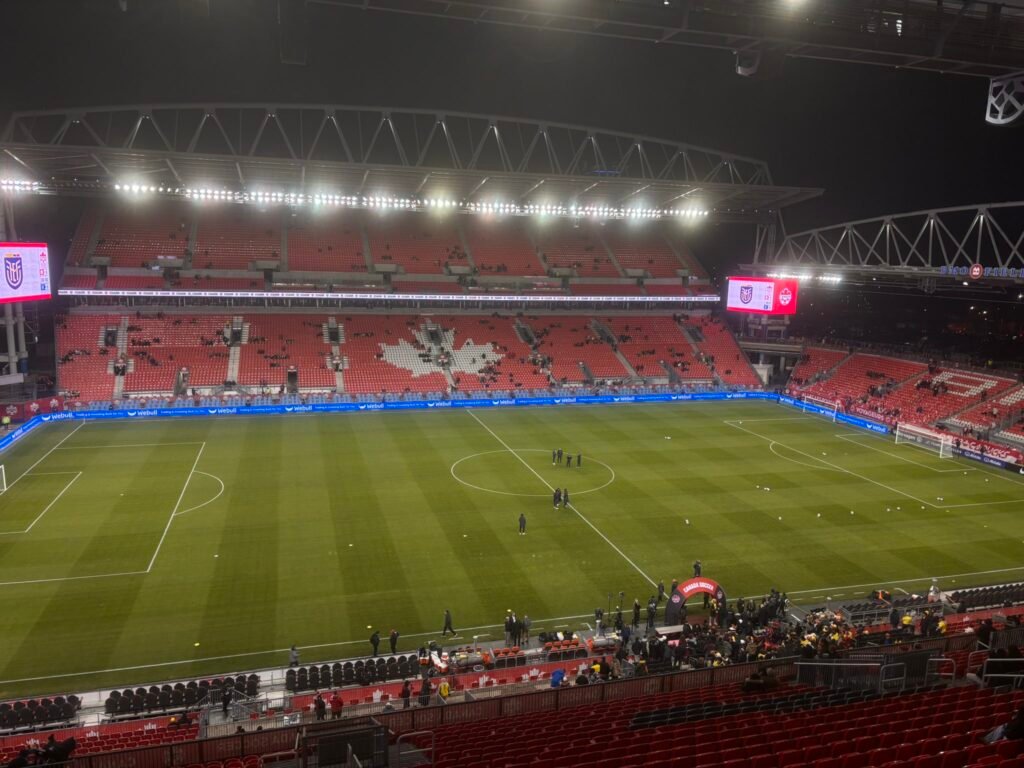
13. BMO Field (Toronto, Canada)
Capacity: ~45,500 (post-renovation for World Cup)
What Makes It Special: Canada’s premier soccer-specific stadium, home to MLS’s Toronto FC. Set for expansion, it will offer an intimate and passionate soccer atmosphere in the heart of the nation’s largest city.
Mexican Stadiums
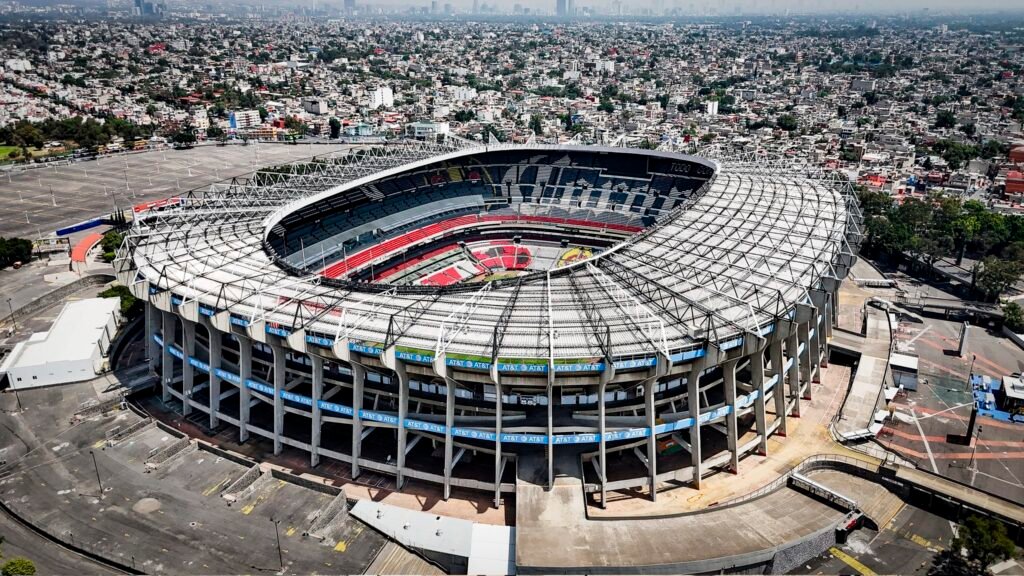
14. Estadio Azteca (Mexico City, Mexico)
Capacity: 87,523
What Makes It Special: This is FOOTBALLING HISTORY. The legendary Azteca is the only stadium to have hosted two World Cup Finals (1970 and 1986). It’s where Pelé triumphed and Maradona scored his “Hand of God” and “Goal of the Century.” Stepping onto this pitch is a religious experience.
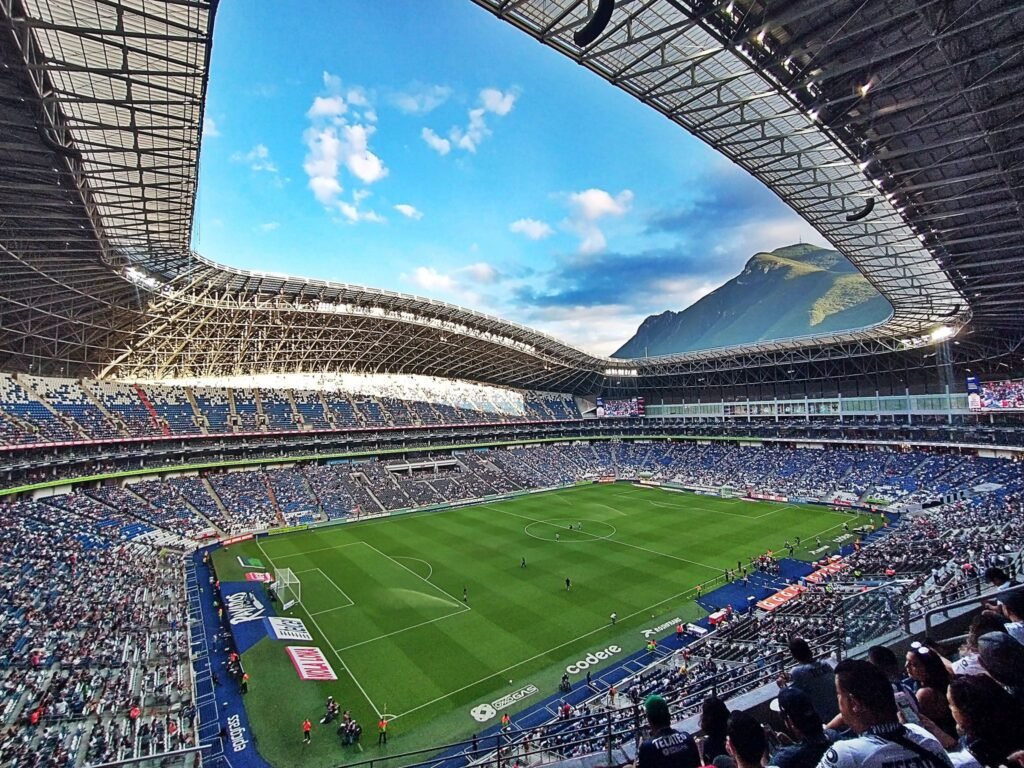
15. Estadio BBVA (Guadalajara, Mexico)
Capacity: 49,850
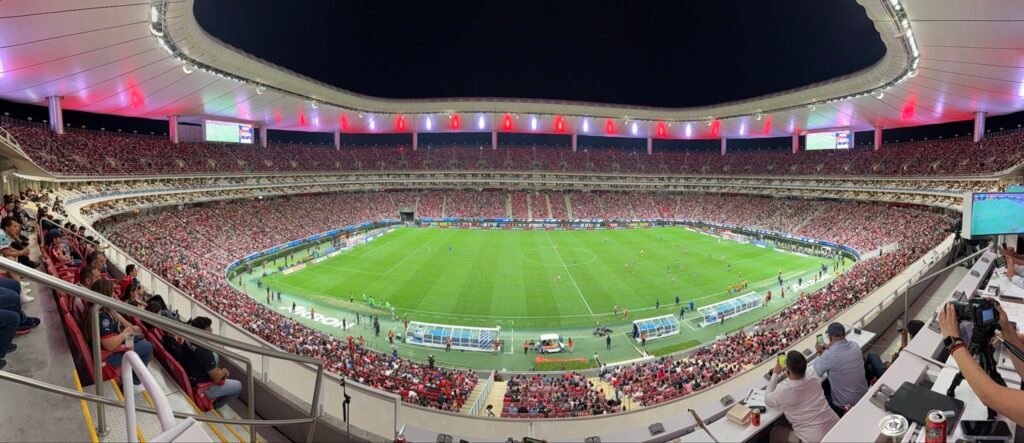
What Makes It Special: Known as “El Volcán” (The Volcano) for its stunning, steep-sided design built into a hillside. This modern stadium offers one of the most unique and intimidating backdrops in world football.
16. Estadio Akron (Zapopan, Jalisco)
Capacity: 49,850
What Makes It Special: A truly breathtaking architectural marvel, the Akron stadium’s outer shell is designed to resemble a Mexican “cantera” stone quarry. It’s a symbol of modern Mexican design and passion for the game.
Takeaway: The 2026 World Cup is not just a tournament; it’s a continent-wide festival of football. From the historic hallows of Mexico City’s Azteca to the high-tech glamour of L.A.’s SoFi Stadium and the passionate soccer hubs of Vancouver and Toronto, these 16 stadiums will provide a diverse and unforgettable stage. They are set to host a record 48 teams, ensuring that the beautiful game will touch every corner of North America in what promises to be a truly historic event.







[…] Detailed Host Cites and Stadia: https://offsidetalk.com/2026-world-cup-stadiums/ […]